Cortisol Is Eating Your Supplements for Breakfast — Here's What to Do About It

Let's say you're doing everything right. You've got a solid supplement routine, you're taking things at the right times, you're even pairing nutrients correctly. And yet — you're still tired, still foggy, still feeling like your body isn't responding the way it should.
Here's a possibility nobody talks about enough: chronic stress might be quietly intercepting your nutrients before they ever get the chance to work.
This isn't just a vague wellness talking point. There's a real, documented biological mechanism behind it — and once you understand it, the whole picture starts to make a lot more sense.
What Cortisol Actually Does to Your Body (Beyond the Obvious)
Most people know cortisol as the "stress hormone." It spikes when you're anxious, overwhelmed, or running late to a meeting for the third time this week. In short bursts, that's totally fine — cortisol is supposed to help you respond to threats.
The problem is modern life doesn't really have an "off" switch for stress. Deadlines, financial pressure, poor sleep, doomscrolling at midnight — all of it keeps your cortisol levels elevated for far longer than your body was ever designed to handle.
And when cortisol stays high, it starts doing things it was never meant to do long-term. It disrupts digestion, suppresses immune function, throws off hormone balance, and — here's the part that matters for supplement users — it fundamentally alters the way your body processes nutrients.
The Gut Connection: Stress Shuts Down Absorption
Your digestive system and your stress response are in constant communication through something called the gut-brain axis. When your brain perceives a threat (real or imagined), it signals your digestive system to essentially take a back seat. Blood flow gets redirected away from the gut, digestive enzyme production slows down, and the muscular contractions that move food through your intestines become less coordinated.
For supplement absorption, this is a serious problem. Nutrients like magnesium, zinc, B vitamins, and vitamin C require an active, well-functioning digestive environment to be properly absorbed. When cortisol is chronically elevated, that environment is compromised — meaning even a high-bioavailability supplement may pass through your system without being fully taken up.
Research has also shown that chronic stress can increase intestinal permeability (commonly called "leaky gut"), which further disrupts the selective absorption process your gut lining is supposed to manage. Nutrients that should be absorbed get mixed up with compounds that shouldn't be crossing into the bloodstream, triggering inflammation that compounds the problem.
Specific Nutrients That Take the Hardest Hit
Not every supplement suffers equally under stress conditions. Some nutrients are particularly vulnerable:
Magnesium is arguably the biggest casualty. Cortisol directly promotes magnesium excretion through the kidneys, meaning your body is literally flushing it out faster than you can replace it. Since magnesium is involved in over 300 enzymatic reactions — including ones that regulate cortisol itself — this creates a nasty feedback loop.
Zinc is another big one. Stress-related inflammation increases zinc demand while simultaneously reducing absorption efficiency. People under chronic stress often show lower serum zinc levels even when their dietary intake looks adequate on paper.
B vitamins, especially B5 (pantothenic acid) and B6, get rapidly depleted during the stress response because they're directly involved in cortisol synthesis. Your adrenal glands burn through them. If you're supplementing B vitamins but living in a constant state of stress, you may be running a deficit you can't outpace.
Vitamin C is another adrenal nutrient. The adrenal glands have one of the highest concentrations of vitamin C in the entire body, and they use it heavily when producing stress hormones. High stress = high vitamin C turnover.
Iron absorption can also be impaired, partly because chronic inflammation (a stress byproduct) triggers the production of hepcidin, a hormone that blocks iron from entering the bloodstream.
Cortisol's Effect on Nutrient Metabolism (Not Just Absorption)
Even nutrients that do get absorbed face another hurdle: cortisol can interfere with how they're used at the cellular level.
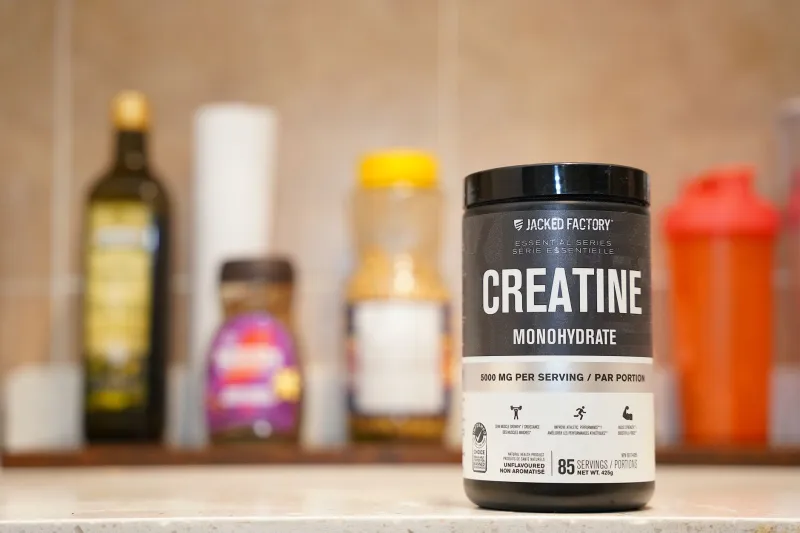
For example, elevated cortisol promotes a catabolic state — meaning your body breaks down tissue for energy. This affects protein metabolism and can alter how amino acids are processed, which matters if you're taking collagen, creatine, or amino acid supplements.
Cortisol also influences insulin sensitivity. When cortisol is high, cells become more resistant to insulin, which affects how glucose and certain nutrients are transported into cells. Some research suggests this may impair the cellular uptake of nutrients like chromium and alpha-lipoic acid, both of which work closely with insulin signaling.
The bottom line: stress doesn't just block the door. It can also rearrange the furniture inside.
So What Can You Actually Do About It?
The good news is this isn't a hopeless situation. Addressing the stress-supplement gap is very much possible — it just requires a two-pronged approach.
1. Support your stress response directly. Adaptogenic supplements like ashwagandha and rhodiola rosea have a growing body of evidence behind them for helping regulate the HPA axis (the system that controls cortisol production). They don't sedate you — they help your body respond to stress more proportionately. Taking these consistently may help lower baseline cortisol levels over time, creating a better environment for your other nutrients to do their jobs.
2. Prioritize the nutrients stress depletes most. If you're living a high-stress life, magnesium glycinate, a B-complex, and vitamin C deserve a prominent spot in your routine — not as a cure for stress, but as direct support for the systems stress hammers hardest. Replenishing what cortisol burns through gives your body a fighting chance.
3. Time your supplements strategically. Taking your most absorption-dependent supplements during calmer moments in your day — rather than right before a stressful meeting or during a chaotic morning — may genuinely help. Your digestive system is more receptive when your nervous system isn't in overdrive.
4. Don't underestimate the basics. Deep breathing, consistent sleep, and even short walks outside have measurable effects on cortisol levels. These aren't just feel-good suggestions — they're the foundation that determines whether your supplement investment actually pays off.
The Bigger Picture
Supplements are tools, not magic. And like any tool, their effectiveness depends on the conditions you're using them in. If chronic stress is the background noise of your daily life, it may be the single biggest factor undermining your wellness routine — more than timing, more than brand quality, more than whether you're taking things with food.
Getting your cortisol under control isn't just a mental health win. It's a nutritional one too. And honestly, that's a pretty compelling reason to take it seriously.