Don't Toss That Bottle: What Expiration Dates on Supplements Actually Mean
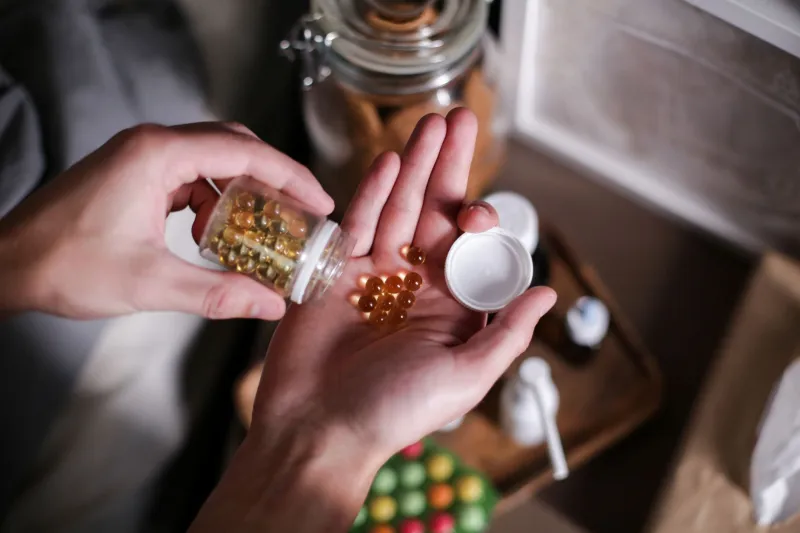
Every few months, the same ritual plays out in medicine cabinets and kitchen drawers across America. You pick up an old bottle of magnesium or fish oil, squint at the date stamped on the bottom, and toss it in the trash — just to be safe. It feels responsible. It feels like you're taking your health seriously.
But here's the thing: you might be throwing away perfectly good supplements.
The relationship between expiration dates and actual potency is a lot more complicated than manufacturers let on — and the conventional wisdom of "when in doubt, throw it out" may be costing you more than you think.
Where Expiration Dates Actually Come From
First, a little context. Unlike prescription medications, the FDA does not require dietary supplements to carry expiration dates at all. When manufacturers do include them — which most do — those dates reflect a guarantee of potency, not a hard cutoff after which the product becomes inert or unsafe.
In other words, a supplement marked "best by December 2024" is the manufacturer's way of saying: we are confident this product contains at least the labeled amount of active ingredient through this date, assuming reasonable storage conditions. It is not saying the product turns into chalk at midnight on January 1st, 2025.
Manufacturers determine these dates through stability testing — they expose products to controlled conditions and measure how nutrient concentrations change over time. The expiration date is often set conservatively, sometimes representing only the point at which potency drops by 10%. That means a supplement that's a year past its printed date may still contain 85–90% of its labeled dose.
For many nutrients, that's more than enough to be therapeutically meaningful.
The Nutrients That Age Surprisingly Well
Not all supplements degrade at the same rate, and some hold up remarkably well over time.
Fat-soluble vitamins like D, E, and K tend to be highly stable. Vitamin D3 in particular has shown impressive longevity in stability studies, especially when stored in cool, dark conditions. The same goes for minerals — zinc, magnesium, calcium, and selenium are elemental compounds. They don't really "expire" in any meaningful biochemical sense. A magnesium glycinate capsule from two years ago is almost certainly still magnesium glycinate.
B vitamins are a more mixed story. B12 and biotin are relatively stable, while B1 (thiamine) and folate are more sensitive to heat and moisture. Still, properly stored B-complex supplements often retain meaningful potency well past their printed dates.
Probiotics are genuinely more time-sensitive, since live bacterial cultures do die off over time. But even here, the rate of decline depends heavily on storage — a refrigerated probiotic from six months ago likely still contains viable colony-forming units, just potentially fewer than the label claims.
The Real Variable: How You're Storing Them
Here's where things get interesting — and where most people are unknowingly sabotaging their supplements before any expiration date even matters.
The three enemies of supplement stability are heat, moisture, and light. Which is ironic, because the two most common storage spots in American homes — the bathroom medicine cabinet and the kitchen counter — are arguably the worst possible environments. Steam from showers and cooking creates humidity fluctuations. Windows let in UV light. Stove heat causes temperature spikes.
A supplement stored in a humid bathroom for six months may degrade far more than the same supplement stored in a cool, dry pantry for two years past its expiration date. Storage conditions are genuinely more predictive of potency than the printed date.
Practical storage tips that actually matter:
- Cool and dry beats everything else. A drawer or cabinet away from the stove and sink is ideal.
- Keep products in their original containers. The packaging is engineered to limit light and moisture exposure.
- Don't refrigerate most supplements unless directed to. Temperature fluctuations from opening and closing the fridge can actually introduce condensation.
- Check for physical changes. Clumping, color shifts, or unusual odors are real signs of degradation — the expiration date often isn't.
When You Should Actually Replace Your Supplements
This isn't an argument to hoard supplements indefinitely. There are legitimate reasons to replace products.
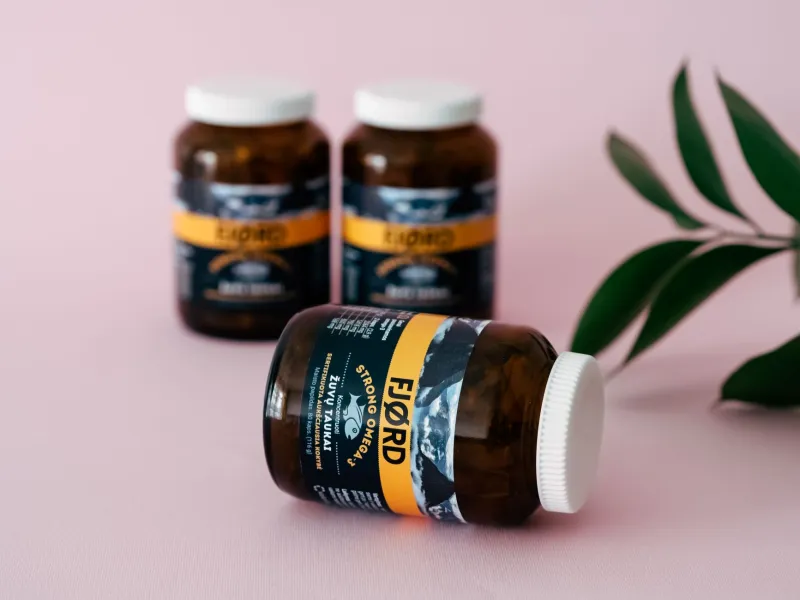
Omega-3 fish oils are among the most degradation-prone supplements on the market. Oxidized fish oil doesn't just lose potency — rancid lipids can actually cause low-grade inflammation, which is the opposite of why you're taking them. If your fish oil smells off, it's time to replace it. Full stop.
Probiotics with live cultures should be replaced closer to schedule, especially if they haven't been refrigerated.
Opened liquid supplements — collagen peptides, liquid vitamin D drops, herbal tinctures — are more vulnerable once the seal is broken. Follow guidance on opened-product timelines, not just the printed date.
And if you're taking a supplement for a specific clinical purpose — managing a documented deficiency, supporting a pregnancy, or addressing a diagnosed condition — it makes sense to prioritize fresh stock. The stakes are higher, and you want full-potency assurance.
The Bigger Picture
The supplement industry has little financial incentive to tell you that last year's bottle might still work. Turnover is good for business. But at VisPills, we'd rather you spend your money wisely — which sometimes means buying less, not more.
Investing in quality products, storing them properly, and being a little more skeptical of expiration dates as hard deadlines is genuinely better health strategy than reflexively restocking every time a date rolls around.
The science here is pretty clear: for most solid-form supplements stored reasonably well, potency doesn't fall off a cliff on expiration day. It declines gradually, over time, in ways that are heavily influenced by your behavior — not just the manufacturer's print job.
So next time you're doing a cabinet cleanout, maybe give that bottle a second look before you toss it.