Eating 'Clean' But Still Falling Short? The Hidden Nutrient Gaps in the American Diet
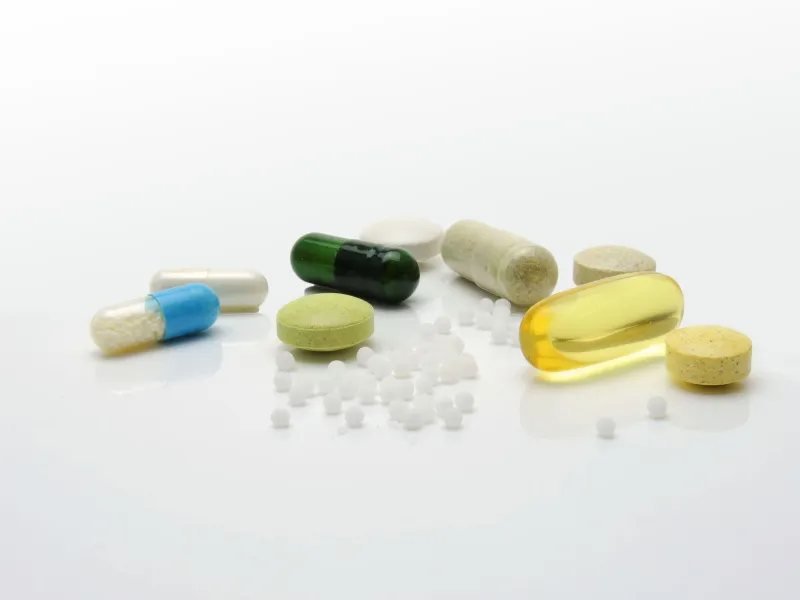
You meal prep on Sundays. You buy organic when you can. You've swapped white rice for quinoa and you know the difference between omega-3s and omega-6s. By most standards, you're eating pretty well — and yet, there's a solid chance your body is still running low on nutrients it genuinely needs.
This isn't a scare tactic. It's what the science actually says.
The National Health and Nutrition Examination Survey (NHANES), one of the most comprehensive ongoing studies of American health, has consistently found that large portions of the U.S. population fall short on several essential micronutrients. We're talking vitamins and minerals that drive everything from immune response to bone density to mood regulation. And the shortfalls aren't just showing up in people eating fast food every day — they're widespread, including among people who consider themselves health-conscious eaters.
So what's going on? And more importantly, what can you actually do about it?
The Nutrients Americans Are Missing Most
According to NHANES data analyzed by the Dietary Guidelines Advisory Committee, the nutrients most commonly under-consumed by Americans include vitamin D, calcium, potassium, dietary fiber, and iron (particularly in women of childbearing age). Magnesium and vitamin K also show up frequently as problem areas.
Vitamin D is probably the most talked-about deficiency right now — and for good reason. Estimates suggest that somewhere between 35% and 42% of American adults have insufficient vitamin D levels. This is a nutrient your body can synthesize from sun exposure, but if you live north of Atlanta, spend most of your time indoors, or have darker skin (which reduces UV absorption), you're at a real disadvantage. Food sources of vitamin D are limited — fatty fish, egg yolks, and fortified dairy — and even a solid diet often doesn't bridge the gap.
Magnesium is another quiet underperformer. It's involved in over 300 enzymatic reactions in the body, including energy production, muscle function, and sleep regulation. And yet studies suggest roughly half of Americans don't hit the recommended daily intake. Part of the problem is that magnesium-rich foods — nuts, seeds, leafy greens, legumes — aren't exactly the centerpiece of the average American plate.
Why 'Eating Well' Isn't Always Enough
Registered dietitian Sarah Kimball, who works with clients in Chicago, puts it plainly: "I see a lot of people who are genuinely trying to eat a balanced diet, and they're still coming up short. Sometimes it's lifestyle — they're not getting enough variety, or they're restricting certain food groups. But honestly, even when someone's diet looks great on paper, there are factors working against them."
Those factors are more complex than most people realize.
Soil depletion is real. Modern industrial farming has gradually reduced the mineral content of many crops. A landmark study published in the Journal of the American College of Nutrition found that the nutrient content of 43 garden crops declined significantly between 1950 and 1999, with notable drops in protein, calcium, phosphorus, iron, and vitamins B2 and C. The broccoli on your plate today may simply contain less than it did a generation ago.
Your gut might not be absorbing what you eat. Nutrient absorption isn't automatic. Conditions like celiac disease, Crohn's, SIBO (small intestinal bacterial overgrowth), or even chronic low-grade gut inflammation can significantly impair how much of a given nutrient actually makes it into your bloodstream. Age is another factor — as we get older, our ability to absorb certain nutrients, including B12 and calcium, naturally declines.
Medications interfere more than people think. Proton pump inhibitors (common heartburn drugs) deplete magnesium and B12. Metformin, widely prescribed for type 2 diabetes, is associated with lower B12 levels. Oral contraceptives have been linked to reduced levels of folate, B6, B12, and zinc. If you're on any long-term medication, it's worth talking to your doctor about potential nutrient interactions.
Caloric restriction has a hidden cost. If you're eating at a caloric deficit — whether for weight loss or just because life is busy and you're not eating enough — you're almost certainly also restricting micronutrients. Eating 1,600 calories of even very healthy food is a harder target to hit than eating 2,200 calories of the same food.
Who's Most at Risk?
Certain populations face steeper uphill battles when it comes to meeting nutrient needs through diet alone.
- Women of reproductive age are at elevated risk for iron deficiency anemia, and folate needs jump significantly during pregnancy.
- Older adults face reduced absorption of B12, calcium, and vitamin D, alongside often-decreased appetite and caloric intake.
- People following plant-based diets need to be especially thoughtful about B12 (found almost exclusively in animal products), iron, zinc, omega-3s, and calcium.
- People with higher melanin levels in their skin have a harder time synthesizing vitamin D from sunlight.
- Athletes and very active individuals have higher demands for certain minerals, including magnesium, zinc, and iron, that diet alone may struggle to keep up with.
So Should You Just Take a Supplement?
Here's where we want to be honest with you: supplements aren't a free pass, and they're not a replacement for a genuinely nutritious diet. The science on multivitamins as a catch-all solution is actually pretty mixed. Several large studies, including the Physicians' Health Study II, found that daily multivitamin use didn't significantly reduce the risk of major chronic diseases.
But that's not the whole story.
The case for targeted supplementation — filling a specific, identified gap — is much stronger. If you're deficient in vitamin D and you address it with a quality D3 supplement, the evidence shows real benefits for bone health, immune function, and potentially mood. If you're a vegan who's not getting B12 from food, supplementing isn't optional — it's necessary.
Registered dietitian Kimball recommends starting with bloodwork. "Get your levels checked before you start throwing supplements at the wall. Know what you're actually low in. Then you can make an informed choice about what to take, at what dose, and for how long."
At VisPills, we think that's exactly the right approach. We're not here to sell you something you don't need. We're here to help you figure out what your body is actually asking for — and then give you science-backed options to address it.
A Practical Framework for Thinking About Supplementation
Not sure where to start? Here's a simple way to think through it:
- Get baseline bloodwork done. Ask your doctor to check vitamin D, B12, ferritin (iron stores), magnesium, and any other markers relevant to your health history.
- Audit your diet honestly. Are you eating a wide variety of vegetables, quality proteins, whole grains, and healthy fats? Or are you leaning heavily on a few "healthy" staples?
- Consider your life stage and lifestyle. Pregnant? Postmenopausal? Plant-based? Very active? These factors shift your needs significantly.
- Look at your medications. Check for known nutrient interactions with anything you take regularly.
- Prioritize food first, then supplement strategically. Use supplements to address documented gaps, not as a substitute for a varied diet.
The goal isn't to take more pills. It's to make sure your body has what it needs to function at its best — because even the most dedicated healthy eater can have gaps they don't know about. And those gaps, over time, add up.