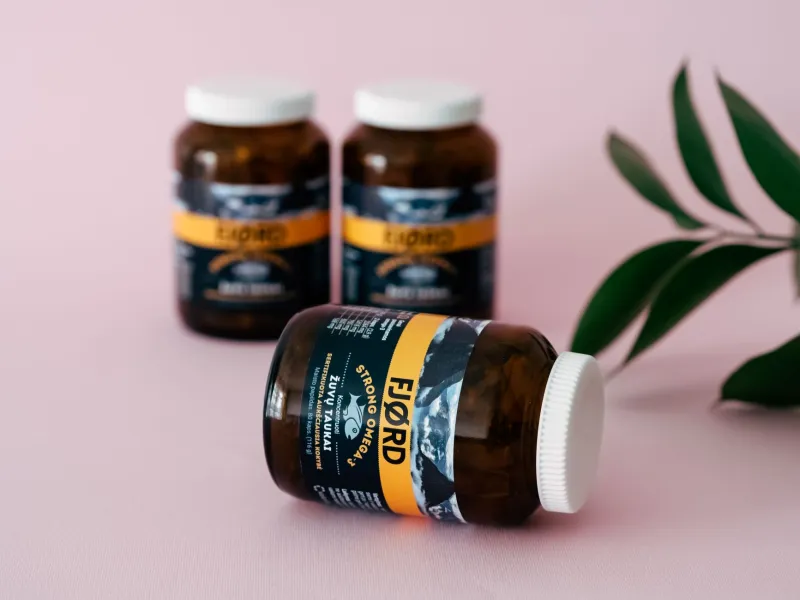
More Isn't Medicine: The Hidden Dangers of Overdoing Your Daily Supplements

There's a deeply American instinct at play when we approach our supplement shelves: go big or go home. If one capsule of vitamin C supports immunity, surely three will make you bulletproof, right? If a standard B12 dose keeps fatigue at bay, doubling up should have you sprinting through your day.
Except that's not how any of this works.
The reality is that your body operates on a surprisingly strict set of biological rules — and flooding your system with more nutrients than it can process doesn't just waste your money. In some cases, it actively works against you. Let's break down the actual science behind supplement dosing, and why the sweet spot is almost never the highest number on the label.
Your Body Has a Ceiling, Whether You Like It or Not
Here's a concept that doesn't get talked about enough in wellness culture: saturation. Most nutrients have an absorption ceiling — a point beyond which your intestines simply stop letting more of a substance into your bloodstream. Past that threshold, the excess either gets flushed out in your urine or, depending on the nutrient, starts accumulating somewhere it shouldn't.
Vitamin C is the classic example. Research consistently shows that once you hit around 200mg per day, intestinal absorption starts dropping off sharply. By the time you're at 1,000mg — a dose you'll find in dozens of popular supplements — your body is absorbing less than 50% of what you're taking. Anything beyond 2,000mg daily and you're looking at potential kidney stones, digestive distress, and a very expensive trip to the bathroom.
This is the law of diminishing returns, applied to your biology. And it shows up across the supplement spectrum.
Fat-Soluble Vitamins: The Ones That Actually Stick Around
Not all vitamins exit your body politely when you overdo it. Water-soluble nutrients like vitamin C and most B vitamins have a built-in escape route — excess gets excreted through urine. Wasteful, yes. Dangerous, usually not.
Fat-soluble vitamins are a different story. Vitamins A, D, E, and K don't flush out easily. They accumulate in your liver and fatty tissues, and over time, excessive intake can build to toxic levels.
Vitamin A toxicity — called hypervitaminosis A — is more common than most people realize, especially among Americans who supplement on top of already-fortified diets. Symptoms range from nausea and dizziness to more serious concerns like liver damage and, in pregnant women, birth defects. The tolerable upper intake level set by the National Institutes of Health sits at 10,000 IU daily for adults, but chronic doses well below that can still cause problems if your baseline intake from food is already high.
Vitamin D has gotten enormous attention over the last decade, and for good reason — deficiency is genuinely widespread. But the response in some wellness communities has been to treat it like a supplement you can never take too much of. You can. Vitamin D toxicity leads to hypercalcemia — dangerously elevated calcium in the blood — which can cause kidney damage, irregular heartbeat, and calcification of soft tissues. Most experts flag anything consistently above 4,000 IU daily as territory worth monitoring with a doctor.
When More Supplements Actually Block Other Nutrients
Here's where things get genuinely counterproductive: high doses of certain nutrients don't just stop helping — they start actively interfering with others.
Take zinc and copper. These two minerals compete for the same absorption pathways in your gut. If you're taking a high-dose zinc supplement — say, 50mg or more — you may be inadvertently driving your copper levels into deficiency territory. Copper deficiency isn't something most Americans think about, but it can cause anemia, neurological symptoms, and immune dysfunction. The irony is that someone aggressively supplementing zinc for immune support could end up with a weakened immune system for a completely different reason.
Calcium and magnesium have a similar rivalry. Megadosing calcium can suppress magnesium absorption, and since magnesium is already one of the most common deficiencies in the US diet, this isn't a theoretical concern. Iron and zinc compete for absorption too, which is why taking high-dose iron supplements alongside a zinc-heavy stack is a recipe for getting the worst of both worlds.
This is nutrient antagonism — and it's one of the most underappreciated reasons why more isn't better.
The Hormetic Sweet Spot: Why Optimal Isn't Maximum
There's a concept in biology called hormesis — the idea that substances often have beneficial effects at low doses and harmful effects at high doses. It's why a glass of wine might be relaxing but a bottle is destructive, or why exercise builds strength but overtraining tears your body down.
Nutrients follow this same curve. Selenium is a perfect example. At adequate levels, selenium is a powerful antioxidant that supports thyroid function and immune health. At high doses — typically from aggressive supplementation rather than food — it becomes toxic, causing hair loss, nail brittleness, neurological damage, and a condition called selenosis. The difference between therapeutic and harmful is genuinely narrow.
Vitamin B6 is another one worth knowing. Long-term supplementation above 100mg daily has been linked to peripheral neuropathy — nerve damage that causes tingling, numbness, and pain in the hands and feet. Many people taking B-complex supplements don't realize they're getting doses in that range.
So What Does "Optimal Dosing" Actually Look Like?
The honest answer is: it depends on you, specifically.
Age, sex, body weight, existing dietary intake, health conditions, medications, and even genetic variations all influence how your body processes nutrients. A 6'4" man who rarely sees sunlight has different vitamin D needs than a petite woman in Phoenix who spends time outdoors daily. A vegan has different B12 requirements than someone eating animal products regularly.
This is why the smartest supplement strategy almost always starts with baseline bloodwork. Knowing your actual levels — not just assuming you're deficient because you read about it online — lets you dose with precision rather than guesswork.
As a general framework:
- Stick close to RDA or established upper limits unless you have a documented deficiency and a reason to go higher.
- Treat high-dose protocols as short-term corrections, not indefinite habits.
- Retest periodically to confirm your levels are moving in the right direction.
- Stack nutrients thoughtfully — understand which ones compete and which ones enhance each other.
- More expensive doesn't mean more effective — bioavailability and form matter far more than raw milligrams.
The Bottom Line
Supplementation is a tool, not a throttle. Your body is sophisticated enough to regulate what it needs and reject — or store — what it doesn't. Pushing past its natural capacity doesn't make you healthier; it just gives your kidneys more work to do, or worse, creates new problems while you're trying to solve old ones.
At VisPills, we believe the most effective approach to supplementation is the one grounded in your actual biology — not marketing copy or the logic that bigger numbers equal bigger results. Because when it comes to your health, precision will always beat excess.