Not All Supplements Age the Same: A Science-Based Guide to What's Still Good on Your Shelf
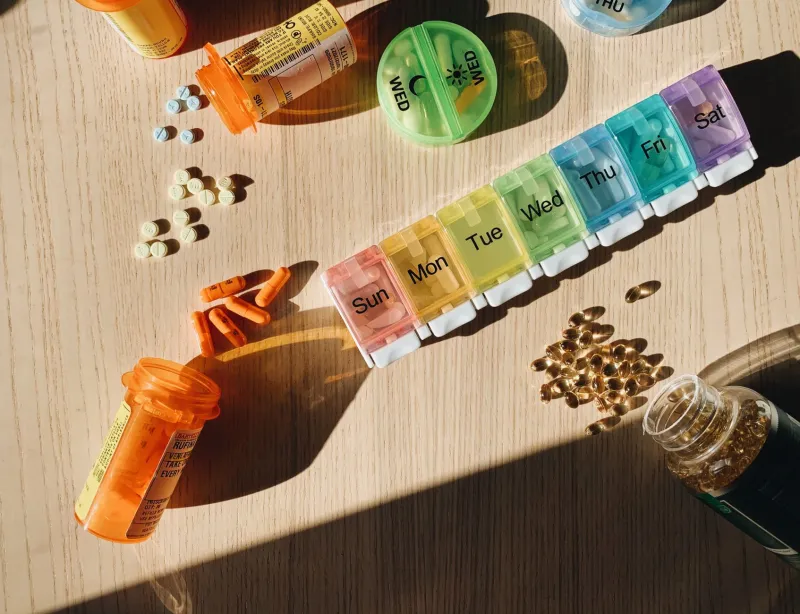
Here's a scenario most of us have lived: you're cleaning out the medicine cabinet, you find a bottle of vitamin C tablets from two years ago, and you pause. Toss it? Keep it? The date says expired, but the pills look totally fine. So what do you actually do?
The frustrating answer is: it depends. And "it depends" is doing a lot of heavy lifting here, because the difference between a supplement that's still 90% potent and one that's genuinely degraded comes down to what it's made of, how it was manufactured, and — maybe most importantly — where it's been sitting since you bought it.
Let's break it down properly.
What Stability Testing Actually Tells You
Supplement manufacturers are required to back up expiration dates with real data. The FDA mandates that expiration dates reflect the point at which a product can no longer be guaranteed to contain at least the labeled amount of each ingredient. That's it. It's a potency floor, not a safety cliff.
To establish those dates, companies run accelerated stability testing — essentially aging samples under elevated heat and humidity to simulate years of real-world storage in a compressed timeframe. The math from those tests produces the expiration date you see on the label.
Here's what that means in practice: a supplement that's two months past its printed date hasn't suddenly become inert or dangerous overnight. It's more likely sitting somewhere between its original potency and whatever the manufacturer set as the minimum acceptable threshold. For many products, that decline is gradual and modest.
But "many" doesn't mean "all." And this is where formulation type changes everything.
Liquids: The Fastest to Fade
If you're holding a liquid supplement — a fish oil emulsion, a liquid multivitamin, a colloidal mineral blend — treat that expiration date with more respect than you would almost any other format.
Liquids have three strikes against them. First, dissolved or suspended ingredients interact with their aqueous environment constantly, accelerating oxidation and hydrolysis. Second, every time you open the bottle, you're introducing oxygen and ambient microbes. Third, the larger surface-area-to-volume ratio means more exposure to heat and light.
Fish oil in liquid form is a particularly good example. Omega-3 fatty acids oxidize readily, and oxidized fish oil doesn't just lose potency — it produces breakdown compounds that may actually be counterproductive. If your liquid omega-3 smells rancid or tastes significantly more bitter than when you opened it, that's a real signal, not just an aesthetic issue.
General rule for liquids: respect the date, refrigerate after opening, and if it smells or looks off, don't second-guess yourself.
Powders: Middle of the Road
Powdered supplements — protein powders, greens blends, creatine monohydrate, magnesium glycinate powder — occupy a more forgiving middle ground. Without the aqueous environment that accelerates liquid degradation, powders tend to hold their potency reasonably well past their printed dates, assuming they've stayed dry.
That last part is the catch. Moisture is the primary enemy of powdered supplements. A container of creatine that's been opened and left in a humid bathroom will clump, potentially grow mold, and degrade far faster than the same product stored in a cool, dry pantry. Clumping alone isn't necessarily a deal-breaker for some products, but it's a sign that moisture has gotten in and that the clock has accelerated.
For single-ingredient powders like creatine or pure vitamin C powder, potency decline past expiration is typically slow. For complex blends with multiple active ingredients — especially those containing probiotics or enzymes — the story gets more complicated because different components degrade at different rates.
Capsules and Tablets: The Longest Shelf Life
Here's where supplement skeptics and supplement enthusiasts can find some common ground: solid-dose forms like capsules and tablets are genuinely the most stable. The low moisture content, reduced surface area exposure, and protective coating (in the case of enteric or film-coated tablets) all slow the degradation process considerably.
Fat-soluble vitamins — A, D, E, and K — are the main exception worth flagging. Even in capsule form, these can oxidize over time, particularly if the capsule casing has cracked or the product has been exposed to heat. Vitamin E is especially vulnerable because it's an antioxidant by nature, meaning it sacrifices itself to protect other compounds.
Water-soluble vitamins like B-complex and vitamin C are more stable in solid form and tend to decline gradually rather than sharply. A B12 tablet that's six months past its date is almost certainly still delivering meaningful amounts — though not necessarily the full labeled dose.
Storage Conditions Are Doing More Work Than You Think
This is the variable most people underestimate. The "cool, dry place" instruction on supplement bottles isn't filler text — it's the difference between a product lasting 18 months and one lasting three.
Heat is the biggest accelerant of chemical degradation. A supplement stored in a car's glove compartment during a Texas summer has been aged far more aggressively than its expiration date accounts for. Bathroom medicine cabinets — the default storage spot for most American households — are actually among the worst possible choices because of the humidity from showers.
Light matters too, which is why quality manufacturers use amber or opaque bottles. If you've transferred a supplement to a clear container for convenience, you may have meaningfully shortened its viable life.
Ideal conditions: a cool, consistently dry location away from direct light. A kitchen pantry or bedroom drawer beats the bathroom counter every time.
A Practical Decision Framework
So you're standing in front of your supplement stash. Here's a quick way to think through each bottle:
Keep with confidence if: it's a solid-dose tablet or capsule of a water-soluble vitamin, stored in good conditions, and within a year of expiration. Potency may be slightly reduced but is likely still meaningful.
Proceed with caution if: it's a fat-soluble vitamin in capsule form, past expiration, and you're unsure of storage history. Check for any off smell or capsule discoloration before continuing.
Toss it if: it's a liquid supplement past expiration, shows any sign of oxidation (smell, color change, sediment), or has been stored in heat or humidity. Same goes for any probiotic product that hasn't been refrigerated as directed.
Always toss if: there's visible mold, the product smells genuinely wrong, or the packaging has been compromised.
The Bottom Line
Expiration dates on supplements are real data points, not arbitrary bureaucracy — but they're also not the full picture. Formulation, ingredient chemistry, and storage conditions all interact to determine whether that bottle in your cabinet is still worth taking.
At VisPills, we believe informed decisions beat reflexive ones. Understanding what's actually happening inside that capsule or powder — and what your storage environment has done to it — puts you in a much better position than just checking a date and guessing. When you're restocking, look for products with airtight packaging, opaque containers, and clear storage guidance. And give your supplements the same care you'd give anything else you're putting in your body.