Old Bottle, Better Results? The Surprising Truth About Supplement Expiration Dates
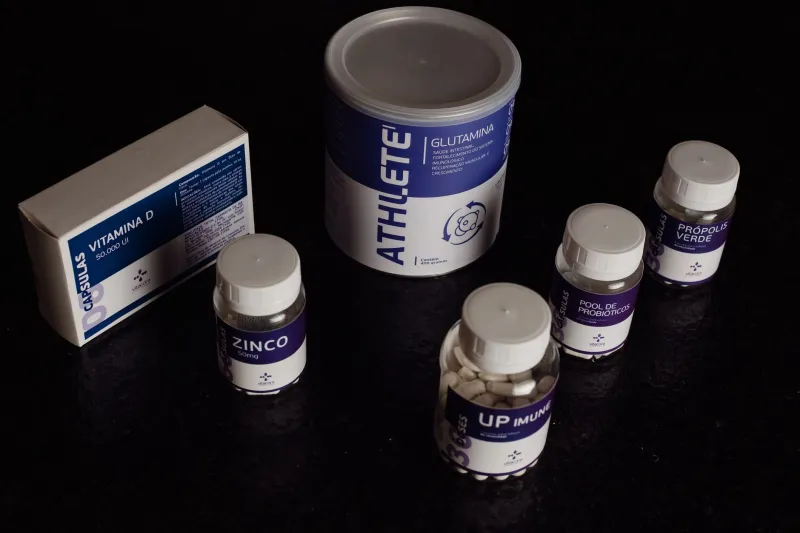
Here's a scenario that plays out in medicine cabinets across America every day: you find a bottle of vitamin D from eight months ago, squint at the date on the bottom, and toss it in the trash. Then you order a fresh replacement from whatever brand has the best deal on Amazon that week.
But what if that swap actually made your supplement routine worse?
That's not a hypothetical. Depending on the formulation, storage conditions, and the manufacturing standards of the brand you're buying from, a well-stored "expired" supplement can absolutely retain more bioavailable nutrients than a brand-new bottle from a company cutting corners on ingredient sourcing or encapsulation quality.
Let's break down why — and how you can actually tell whether a supplement is still doing its job.
What Expiration Dates on Supplements Actually Mean
First, the uncomfortable truth: supplement expiration dates in the US are not federally standardized the way pharmaceutical drug dates are. The FDA requires that supplements list an expiration or "best by" date only if the manufacturer makes a claim about potency at that date. Translation? Companies set their own timelines, often based on conservative internal testing rather than hard evidence that the product becomes ineffective or unsafe after that point.
Many brands simply set a two-year window from the manufacturing date because it's industry convention — not because rigorous stability testing showed the product degrades at month 25.
The actual shelf life of a supplement depends heavily on three things: the ingredient itself, how it's formulated, and where it's been sitting.
Not All Nutrients Degrade the Same Way
This is where things get genuinely interesting. Different vitamin and mineral compounds have dramatically different stability profiles.
Fat-soluble vitamins like A, D, E, and K are generally more stable over time than their water-soluble counterparts — but they're also more susceptible to oxidation if exposed to heat, light, or air. A properly sealed, dark-glass bottle of vitamin D3 stored in a cool cabinet? That thing can hold its potency well past its printed date. The same capsule left in a sunny bathroom for a year? Different story.
B vitamins, particularly B12 and folate, are more fragile. They're sensitive to light and moisture, and they can degrade faster — especially in cheaper tablet formulations where there's less protective coating.
Minerals like magnesium, zinc, and calcium are among the most stable ingredients in the supplement world. Elemental minerals don't really "expire" the way organic compounds do. A chelated magnesium glycinate capsule from a reputable brand that's six months past its date is almost certainly still fully effective.
Probiotics and fish oil are the exception to any optimism here. Live bacterial cultures lose viability over time, and oxidized fish oil doesn't just become less effective — it can actually cause GI irritation. These you do want to replace promptly.
Herbal extracts fall somewhere in the middle. Standardized extracts from quality manufacturers tend to hold up better than raw herb powders, which can degrade in potency faster.
The Manufacturing Quality Gap Nobody Talks About
Here's the part that should make you rethink your next discount supplement haul: the quality of a supplement at its expiration date is often lower than the quality of a well-stored, slightly older product from a premium brand.
Why? Because not all manufacturers start with the same ingredient quality, and not all of them overfill their capsules to account for expected degradation over the product's lifespan. A budget brand might formulate their vitamin C tablets to just barely hit the label claim on day one. A quality manufacturer will often add a degradation buffer — intentionally putting in more than the label states so that the product still meets its claim at the end of its shelf life.
If a discount brand is already skimping on ingredient quality and not building in any degradation buffer, you might be getting less than the label promises from day one — let alone month 18.
Look for brands that use third-party testing through organizations like NSF International, USP, or Informed Sport. These certifications require actual potency verification, which is far more meaningful than any printed date.
How to Actually Assess Whether a Supplement Is Still Good
Forget the date for a second. Here's a practical, ingredient-by-ingredient approach to evaluating what's in your cabinet.
Look at it. Capsules should be intact, not sticky, soft, or discolored. Tablets shouldn't be crumbling or showing visible moisture damage. Gummies that have crystallized or become rock-hard have likely degraded.
Smell it. Fish oil capsules that smell strongly rancid (beyond the normal mild fish scent) are oxidized and should be tossed. Herbal supplements that smell "flat" or have lost their characteristic aroma may have lost potency. Most vitamin and mineral supplements in capsule form should smell like very little — a strong or chemical odor is a red flag.
Check the storage history. Did it live in a cool, dry cabinet? Probably fine. Did it spend a summer in your car or on a windowsill? Probably not.
Consider the ingredient type. Minerals and fat-soluble vitamins stored well? Likely still effective. Probiotics, fish oil, or opened powder tubs that have been sitting for over a year? Replace them.
The Bottom Line
The supplement industry's expiration date system is imperfect, inconsistently applied, and often more about liability than science. That doesn't mean you should ignore dates entirely — it means you should think more critically about the full picture.
A well-stored, high-quality supplement from a brand that invests in real stability testing and third-party verification may remain effective well past its printed date. Meanwhile, a shiny new bottle from a brand with no transparency about manufacturing practices might be underdelivering from the moment you open it.
At VisPills, we think the smarter move is to know your brands, store your supplements properly (cool, dark, dry — not the bathroom), and use your senses as a first-pass quality check. The date is a starting point, not the final word.